Smoky Mountain Wedding Planning Guide
If you’re planning a wedding in the Smoky Mountains, you’re probably equal parts excited and overwhelmed. The mountains are stunning, but there’s more to figure out than just picking a pretty backdrop. Weather, permits, timing, accessibility… it all matters when you’re planning a mountain wedding. As a Smoky Mountain wedding photographer, I’ve seen what works and what doesn’t when couples plan their Tennessee mountain wedding.
I’m based in Tennessee and have photographed weddings throughout the Smokies. The mountains are one of my favorite places to shoot, but I’ve also learned that mountain weddings come with logistics most couples don’t think about until it’s too late. So here’s what you actually need to know if you’re planning a Smoky Mountain wedding.
Why Couples Choose the Smoky Mountains for Their Wedding
The Smokies aren’t just beautiful. They’re accessible, they’re affordable (compared to a lot of mountain destinations), and they offer something for everyone. You can have a traditional venue wedding with a mountain view, or you can elope on a trail with just the two of you.
The light in the mountains is incredible. Early morning fog rolling through the valleys, golden hour hitting the ridgelines, the way the trees filter sunlight – it’s all perfect for photography. And because the Smokies are a national park, there are endless locations to choose from.
But here’s the thing: mountain weddings come with logistics that venue weddings don’t. If you’re doing this, you need to plan for it.
Weather in the Smoky Mountains: What to Actually Expect
Mountain weather is unpredictable. That’s not me trying to scare you! It’s just reality. The temperature can drop 10-20 degrees as you gain elevation. It can be sunny at the base and foggy or rainy at the top.
Spring (March-May): Wildflowers are blooming, everything is green, and the weather is mild. But spring also means rain. A lot of it. If you’re planning a spring Smoky Mountain wedding, have a backup plan. Bring layers. Expect mud if you’re hiking to a ceremony spot.
Summer (June-August): Warm, humid, and crowded. The Smokies are a popular tourist destination, so summer weekends mean traffic and packed overlooks. The upside? Long daylight hours and lush greenery. The downside? Afternoon thunderstorms and heat.
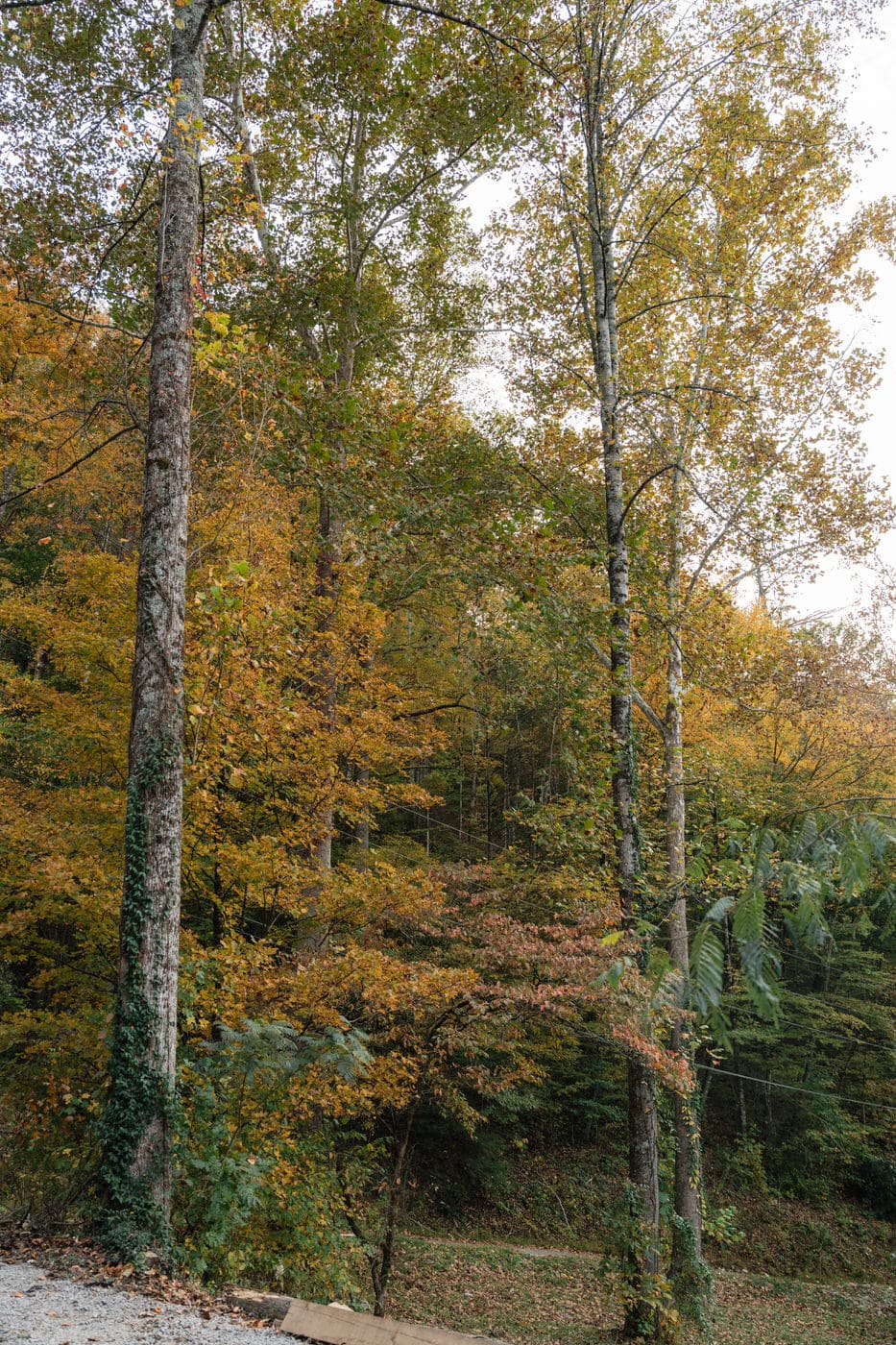
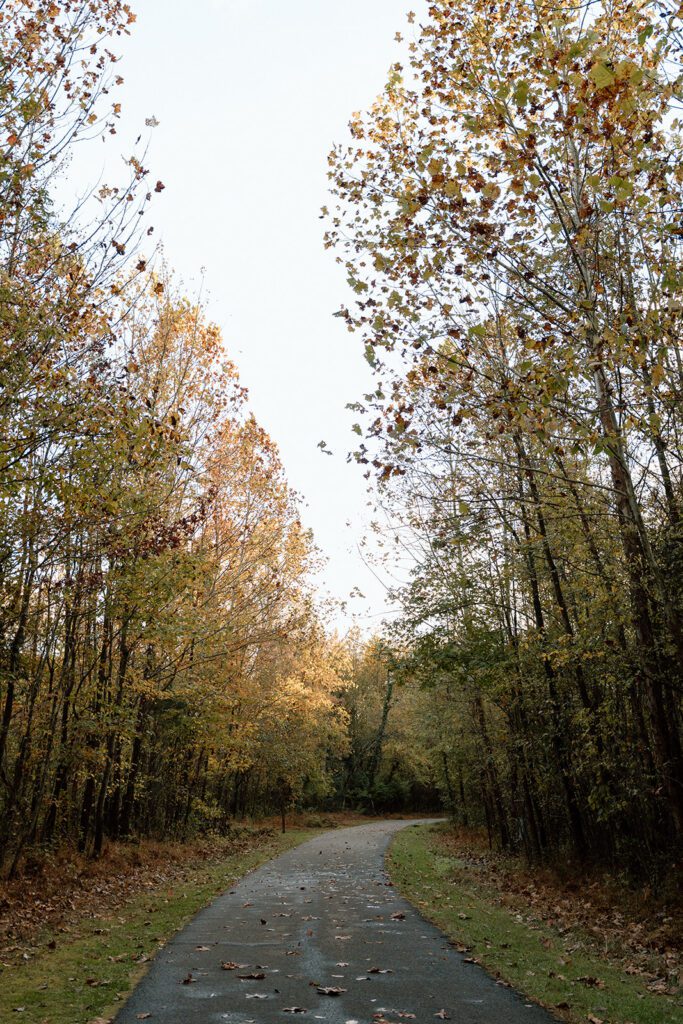
Fall (September-November): Peak wedding season in the Smokies for a reason. The fall colors are UNREAL. Deep reds, oranges, and the craziest yellows covering the mountains. The weather is cooler and more stable. But fall is also the busiest time for tourism, so book everything early.
Winter (December-February): Cold, quiet, and sometimes snowy. If you’re okay with the cold, winter in the Smokies is magical. The crowds are gone, the light is soft, and if you get snow, your photos will be incredible. Just know that some roads and trails close in winter.
No matter what season you choose, check the weather forecast obsessively in the week leading up to your wedding. Have a rain plan. Bring layers. And work with a Smoky Mountain wedding photographer who knows how to adapt when conditions change.
Permits and Regulations for Smoky Mountain Weddings
Here’s the truth about permits: you need one if you’re getting married inside Great Smoky Mountains National Park boundaries. But not every mountain wedding requires a permit.
When you DO need a permit:
If your ceremony is happening on National Park Service land (trails, overlooks, pull-offs within the park), you need a Special Use Permit. You can apply online through the NPS website. Permits typically cost around $50-100 and should be submitted at least 2-3 weeks in advance, but apply earlier during peak season to be safe.
When you DON’T need a permit:
If you’re getting married at a private venue near the Smokies (like Trillium, venues in Gatlinburg or Pigeon Forge, or any private property), you don’t need a park permit. Some public areas outside park boundaries also don’t require permits.
What the permit covers if you need one:
- Small ceremonies (usually under 50 people)
- Designated ceremony locations
- Photography during your ceremony
What the permit doesn’t allow:
- Decorations (you can’t hang anything, stake anything into the ground, or leave anything behind)
- Amplified music
- Alcohol
- Blocking trails or roads
Pro tip: Popular ceremony spots in the park (like Clingmans Dome, Cades Cove, and certain overlooks) require reservations and fill up fast during peak season, especially in fall. If you know you want a specific spot, apply for your permit as soon as you have a date.
Best Locations for a Smoky Mountain Wedding
I already wrote a full post about Smoky Mountain wedding venues, so I won’t rehash all of that here. But if you’re planning a ceremony in the actual park, here are some spots worth considering:
Cades Cove: Wide open meadows, historic cabins, mountain views. It’s one of the most popular spots in the park, which means it’s crowded. Go early in the morning or late in the evening to avoid tour buses.
Clingmans Dome: The highest point in the Smokies with 360-degree views. It’s breathtaking, but it’s also a half-mile uphill walk from the parking lot. Not ideal if you’re in a wedding dress, but if you’re up for it, the views are worth it.
Laurel Falls Trail: A paved trail that leads to a waterfall. It’s accessible and beautiful, but it’s also one of the most crowded trails in the park. If you’re doing a ceremony here, go early.
Newfound Gap: A mountain overlook right off the main road. Easy to access, stunning views, and you can drive right up to it. Great for couples who want the mountain backdrop without the hike.
Greenbrier: Quieter than the main tourist areas, with rivers, forests, and old stone walls. It’s a hidden gem for couples who want a more intimate setting.
Work with a Smoky Mountain wedding photographer who knows these locations and can help you pick the right spot based on your vision, guest count, and accessibility needs.
Timing Your Smoky Mountain Wedding for the Best Light
If you care about your photos (and you should), timing matters. The light in the mountains changes dramatically throughout the day.
Golden hour is everything. In the mountains, golden hour – the hour before sunset – is when the light is warmest and softest. The way it hits the ridgelines and filters through the trees is unmatched. If you can time your ceremony or portraits for golden hour, do it.
Morning light is underrated. If you’re doing a sunrise elopement or early morning ceremony, the light is incredible. The air is cooler, the trails are empty, and you get that soft, foggy mountain glow. Plus, you avoid the crowds.
Midday light is harsh. If you’re getting married in the middle of the day, the light is going to be harsh and unflattering. Your photographer can work with it (I always do), but if you have flexibility, avoid noon ceremonies.
Overcast days are actually great. Don’t stress if it’s cloudy. Overcast skies act like a giant softbox, giving you even, flattering light. Some of my favorite mountain photos have been on overcast days.
What to Wear for a Smoky Mountain Wedding
Mountain weddings require practical thinking. Yes, you want to look good, but you also need to be comfortable enough to enjoy your day.
For the couple getting married:
If you’re hiking to your ceremony spot, wear shoes you can actually walk in. I’ve seen brides hike in boots and change into heels at the top, and I’ve seen brides just wear boots the whole time. Both work.
Bring layers. Even if it’s warm at the base, it’ll be cooler at higher elevations. A jacket, shawl, or flannel can double as a photo prop and keep you warm.
If you’re wearing a long dress or suit, think about train length and fabric. A cathedral-length train is going to drag through dirt and mud. A tea-length dress or something with a bustle is more practical for mountain terrain.
For guests:
Let your guests know what to expect. If they’re hiking to the ceremony, tell them to wear comfortable shoes and bring layers. If the ceremony is outdoors, remind them it might be colder than expected.
Working with a Smoky Mountain Wedding Photographer
Not all wedding photographers are comfortable shooting in the mountains. You want someone who knows how to work with natural light, who won’t freak out if it rains, and who’s okay hiking to your ceremony spot if needed.
What to look for:
- Experience shooting in outdoor/mountain settings
- Familiarity with the Smokies (or willingness to scout locations beforehand)
- Flexibility with weather and changing conditions
- Comfortable hiking with gear if needed
What to ask:
- Have you photographed weddings in the Smoky Mountains before?
- Are you comfortable shooting in all weather conditions?
- Do you know which locations require permits?
- What’s your approach if it rains or the weather changes?
When you work with a Tennessee wedding photographer who knows the Smokies, you’re not just hiring someone to take photos. You’re hiring someone who can help you plan your timeline, suggest locations, and adapt when things don’t go as planned.
I’ve photographed a wedding at Trillium Cove and spent a lot of time in the Smokies scouting and shooting. I know what works, what doesn’t, and how to make the most of the light and landscape. If you’re planning a Smoky Mountain wedding and want a photographer who gets it, let’s talk.
Logistics: Getting There, Parking, and Accessibility
Getting to the Smokies:
The main entrances are near Gatlinburg, TN and Cherokee, NC. Most couples fly into Knoxville (about an hour from Gatlinburg) or Nashville (about 3.5 hours). If you have out-of-town guests, Gatlinburg has plenty of lodging options.
Parking:
Popular spots like Cades Cove, Clingmans Dome, and Laurel Falls have parking lots, but they fill up fast, especially in fall. Plan to arrive early. If you’re having a ceremony in the park, make sure your guests know where to park and how to get to the ceremony site.
Accessibility:
Not all ceremony locations are accessible for guests with mobility issues. If you have guests who can’t hike, choose a spot that’s close to parking (like Newfound Gap or a private venue). Talk to your photographer about accessibility when scouting locations.
Eloping in the Smoky Mountains vs. Having a Wedding
You don’t have to choose between a big wedding and an elopement. A lot of couples are doing something in between – a small ceremony in the mountains with just close family, followed by a bigger celebration later.
Eloping in the Smokies:
If it’s just the two of you (or a small group), you have way more flexibility. You can hike to a remote spot, get married at sunrise, take your time with photos, and make the day exactly what you want.
Elopements also mean fewer logistics. No guest coordination, no seating charts, no worrying about whether everyone can make the hike. Just you, your photographer, and the mountains.
Small weddings in the Smokies:
If you want your closest people there but don’t want a huge event, a small Smoky Mountain wedding is the move. You can have a short ceremony at an overlook or trailhead, then head to a nearby restaurant or cabin for dinner.
Small weddings give you the best of both worlds – the intimacy of an elopement with the celebration of a wedding.
What to Do If It Rains on Your Smoky Mountain Wedding Day
It’s going to rain at some point. Maybe not on your wedding day, but possibly. So here’s what to do if it does.
Embrace it.
Rain in the mountains creates moody, dramatic photos. Fog rolling through the trees, raindrops on leaves, soft diffused light – it’s all beautiful. If you’re okay getting a little wet, some of your best photos might happen in the rain.
Have a backup plan.
If you’re doing an outdoor ceremony, have a plan B. That might mean moving to a covered pavilion, rescheduling the ceremony for later in the day, or just getting married in the rain with umbrellas.
Trust your photographer.
A good Smoky Mountain wedding photographer knows how to work in the rain. We bring rain gear for our cameras, we know how to find covered spots for portraits, and we’re not going to let a little weather ruin your day.
Final Thoughts: Is a Smoky Mountain Wedding Right for You?
Smoky Mountain weddings work for all kinds of couples. You can have an intimate elopement on a trail, a formal ballroom wedding with mountain views, or anything in between.
The beauty of the Smokies is that there are options for every wedding style. Want a big traditional celebration? There are stunning venues throughout Gatlinburg, Pigeon Forge, and the surrounding areas that offer mountain backdrops with all the amenities of a traditional wedding venue. Prefer something more intimate and outdoorsy? The national park has endless ceremony locations.
The only real requirement is being flexible with weather. Mountain weather can change, so having a backup plan (or being okay with rain) matters whether you’re eloping on a trail or getting married at a venue. Most venues have indoor options, and honestly, some of the best mountain wedding photos happen on overcast or rainy days.
If the Smoky Mountains feel right for your wedding – whether that’s a formal celebration or an adventurous elopement – you’ll end up with a day that feels like you and photos that bring you right back to how it felt.


My couples usually tell me the same thing: having me at their wedding felt easy. Like they could actually be present and soak everything in, knowing someone was paying attention without needing anything from them.
That's the whole point.
You're not hiring me to direct you through a shot list or make you perform for the camera. You're hiring me to document your day as it unfolds. The way your mom looked at you during your vows. The toast that made everyone lose it. The moment you two finally exhaled and realized you were married.
If you're planning something outdoorsy, intimate, or a little adventurous, if you value natural moments, and want a photographer who feels more like a friend than a stranger with a camera, then you're in the right place.
You get to laugh, cry, and actually experience what's happening on your wedding day. I make sure nothing slips by. Your photos feel real because the energy behind them was real. No forcing, no performing. Just you, living your day.
— a photographer inspired by landscapes, people, and their stories
MEET YOUR destination & tennessee wedding photographer
LET'S CREATE SOMETHING MEANINGFUL
Tell me about your day - where it's happening, what you're envisioning, what matters most to you. I'll get back to you with availability, pricing, and we can figure out if we're a good fit.
I only take on a limited number of weddings each year, so if your date is coming up, don't wait to reach out.