How Many Hours of Wedding Photography Do You Need?
If you’re trying to figure out how many hours of wedding photography you actually need, welcome to the question every couple eventually Googles at 11pm.. The honest answer is that it depends on your day, but “it depends” isn’t that helpful when you’re trying to build a budget and a timeline simultaneously. So here’s a realistic breakdown of what different coverage amounts actually look like in practice, so you can make a decision that works for your specific day instead of just guessing.
The Real Purpose Of Wedding Photography Coverage
When couples ask how many hours they need, they’re usually asking a deeper question:
Will my photographer be there for the moments that actually matter to me?
Wedding photography coverage isn’t just a number in your contract. It’s the framework that shapes how relaxed your morning feels, how present you are during your ceremony, and how much space you have to breathe between events. Instead of thinking only about logistics, it helps to think about coverage in terms of:
- Emotional pacing
- The parts of the day you care about most
- How you want to feel in your photos
The goal is not to capture everything. The goal is to capture what matters in a way that feels calm and honest. View my Tennessee wedding photography pricing and collections here.
Common Wedding Photography Coverage Options
Below is a realistic breakdown of the most common hour options and what they actually include for a typical Tennessee wedding. Every photographer structures things a little differently, but these ranges are a helpful starting point!
6 Hours Of Wedding Photography
Six hours of coverage can work well for:
- Intimate weddings or small celebrations
- Single-location events
- Couples who do not need getting ready photos or late reception coverage
You can usually fit:
- Final getting ready touches for one partner
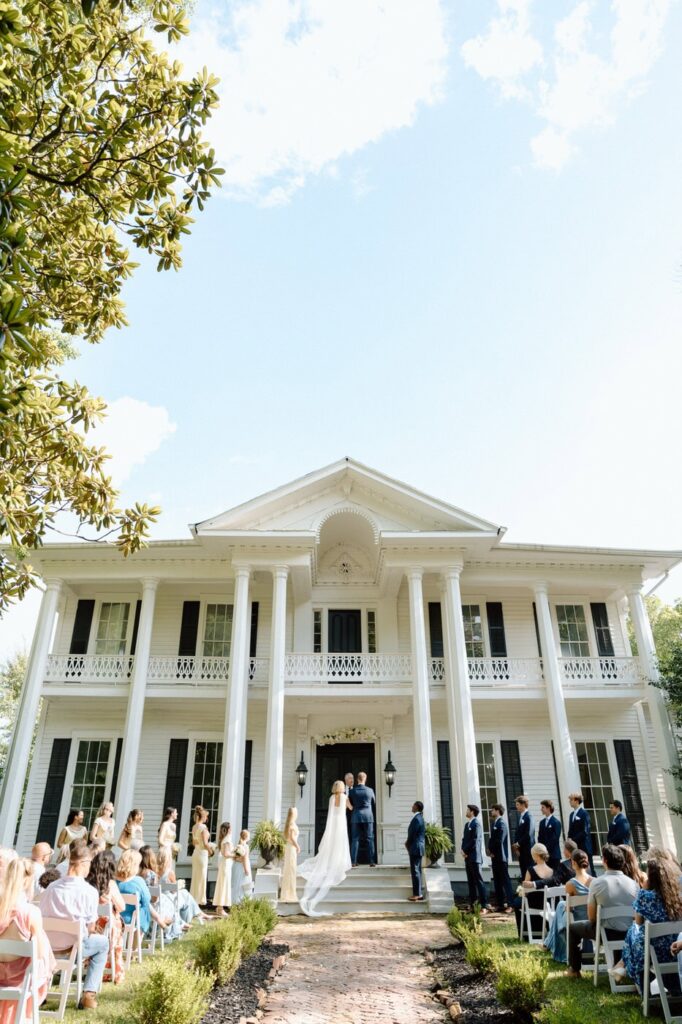
- Ceremony
- Family photos
- Couple portraits
- A portion of the reception, like first dances and toasts
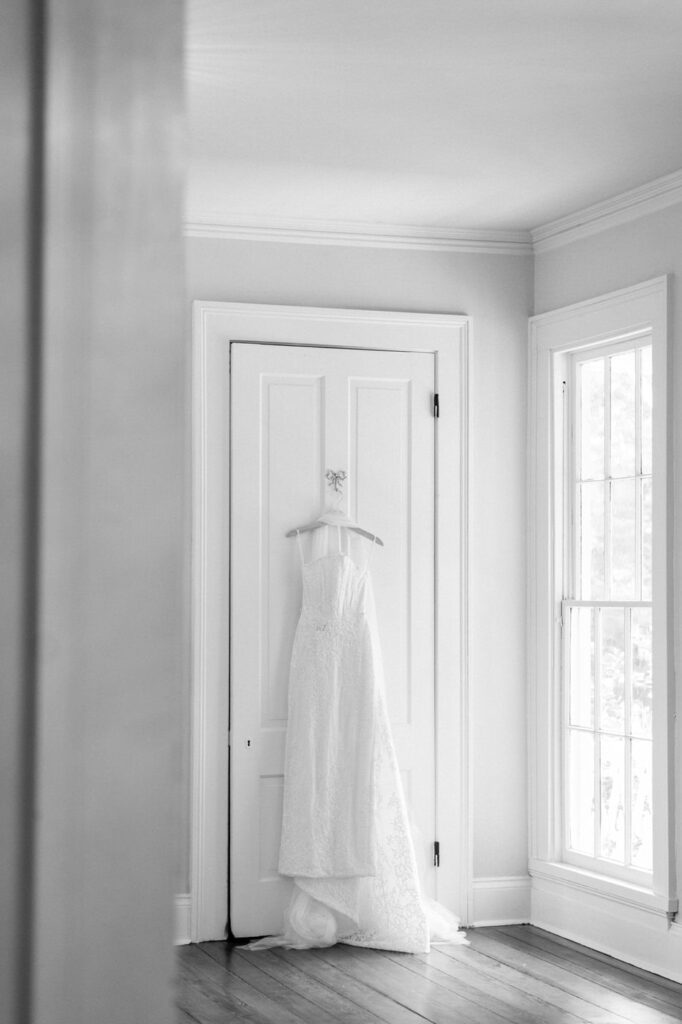
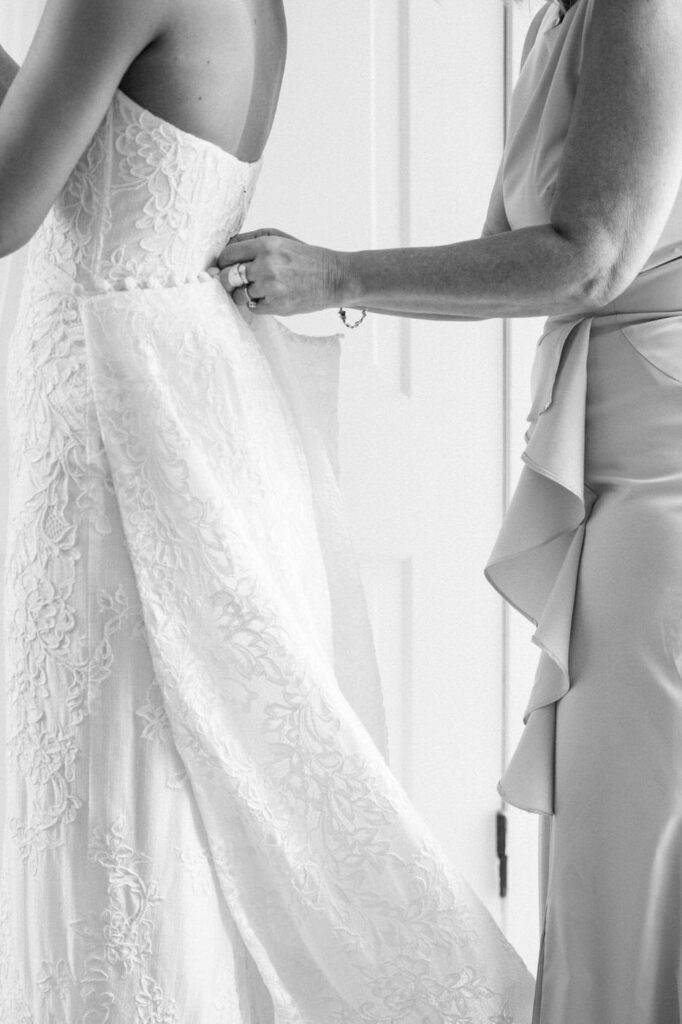
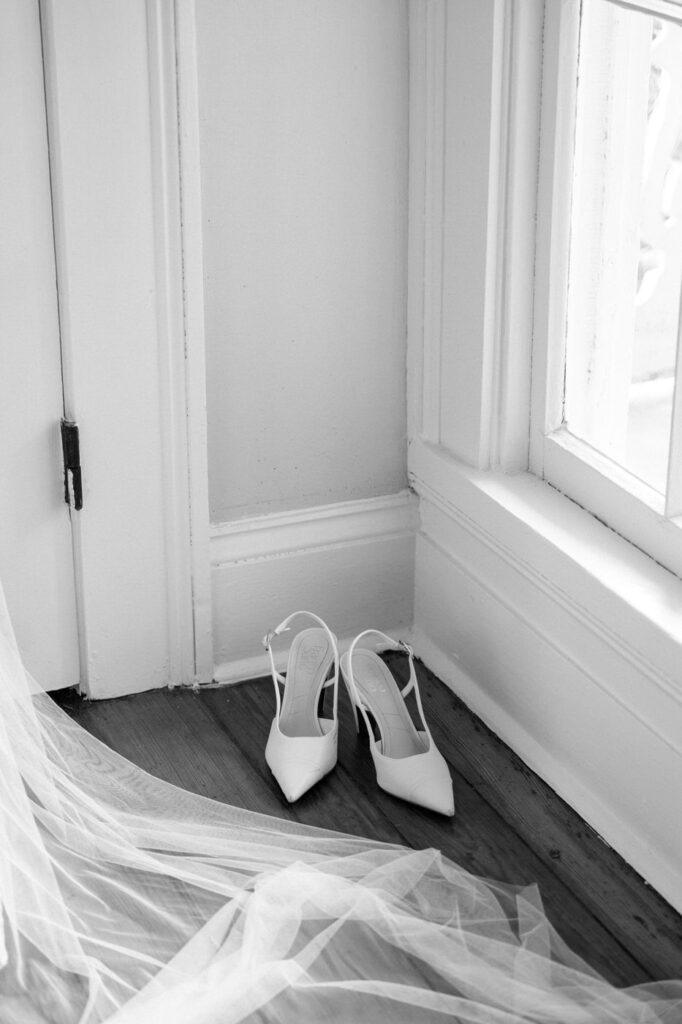
Six hours is often the minimum amount of time that still allows a story to feel complete. It’s best for couples who value simplicity and don’t feel attached to having every small moment documented.
8 Hours Of Wedding Photography
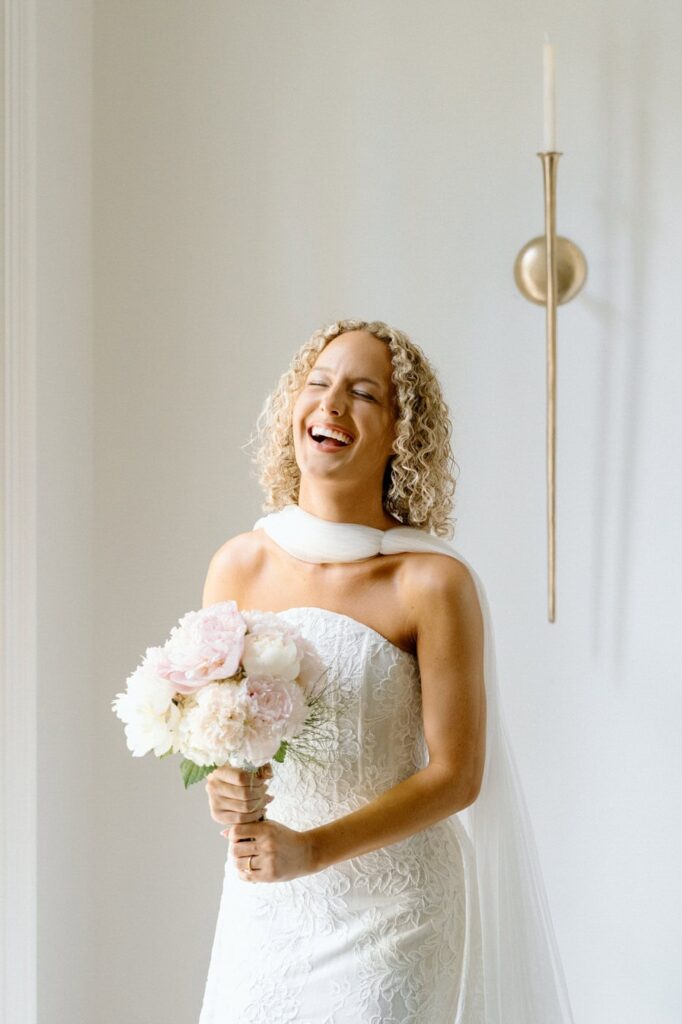
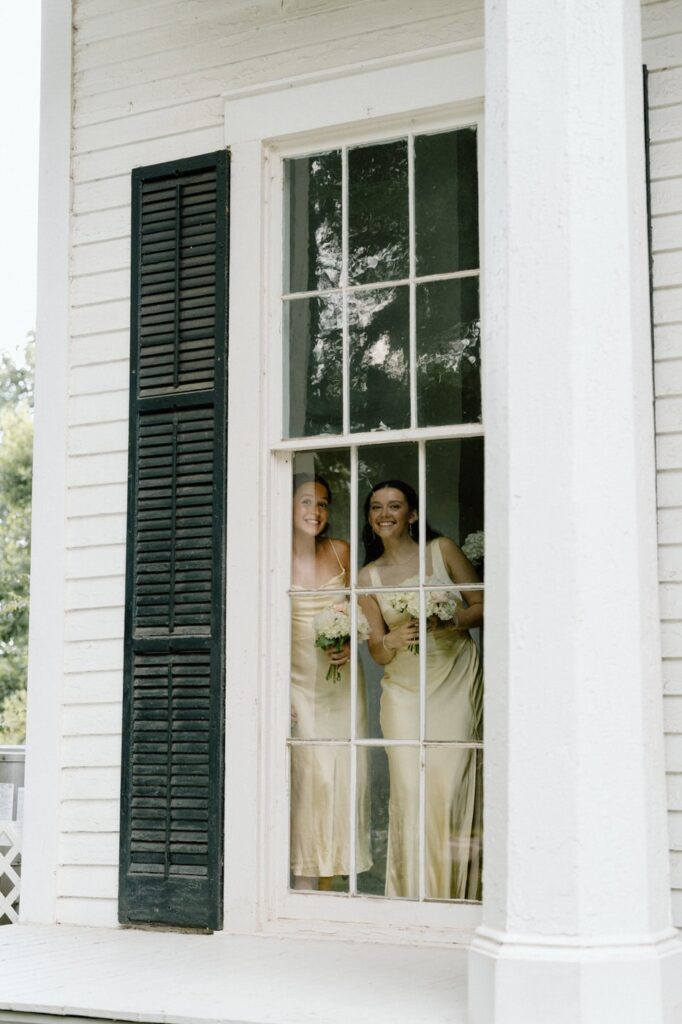
Eight hours is the most popular and most practical option for many couples. It gives enough room for a strong narrative without feeling like someone is in your space all day.
You can usually fit:
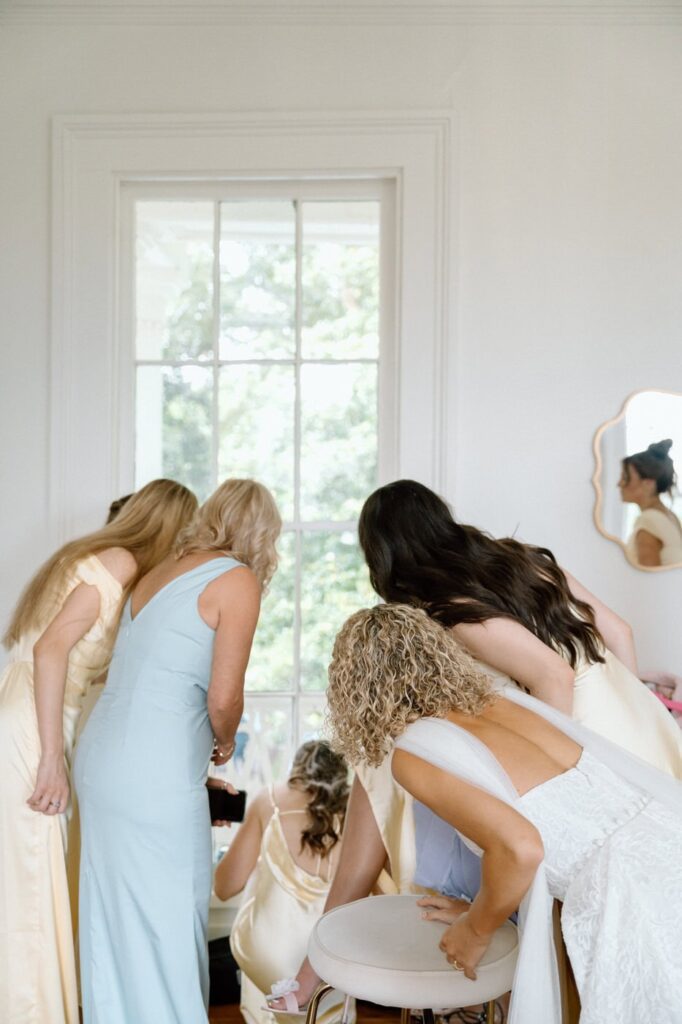
- Getting ready coverage for one or both partners
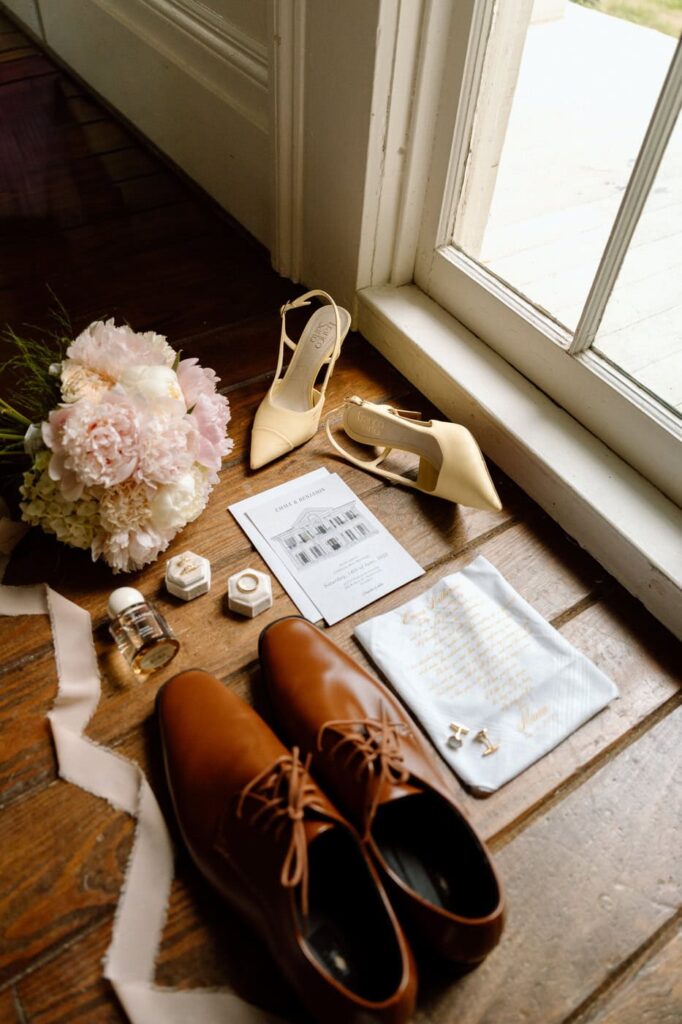
- Detail photos, like invitation suites or heirlooms
- Ceremony
- Family photos and wedding party photos
- A relaxed couple portrait time
- Key reception moments such as entrances, first dances, toasts, and a bit of open dancing
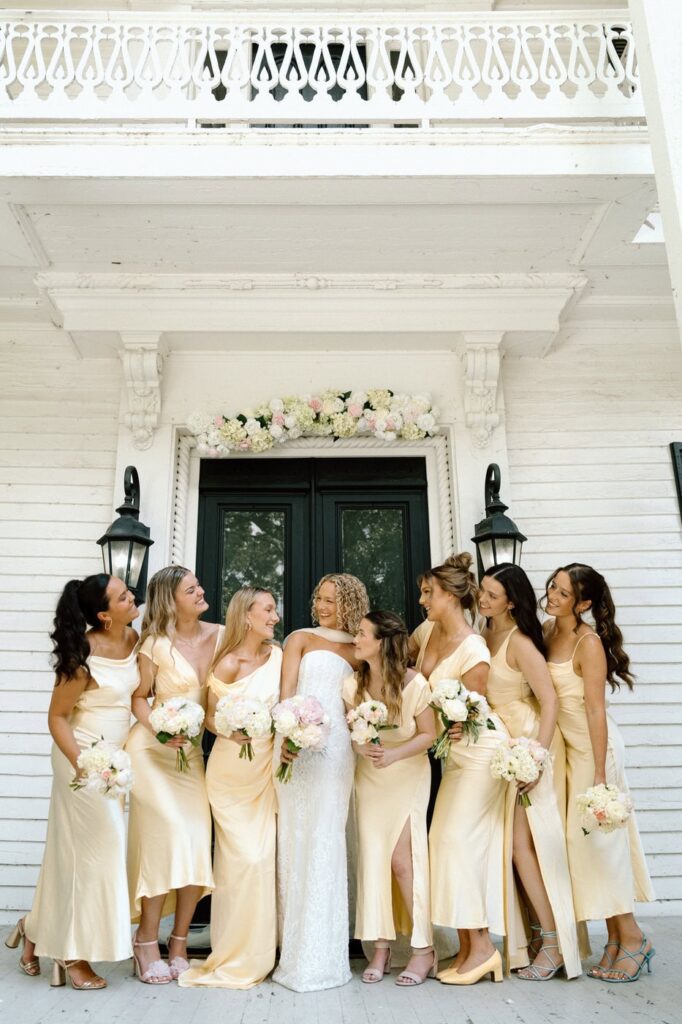
If you want your gallery to show the emotional arc of the day from morning nerves to evening joy, eight hours is often the sweet spot.
10 Hours Of Wedding Photography
Ten hours is ideal when you want your day to move slowly, not feel like a checklist. It works especially well if:
- You have multiple locations
- You are planning a longer ceremony
- You are building intentional breaks into your day
- You want sunset portraits and a big part of the reception
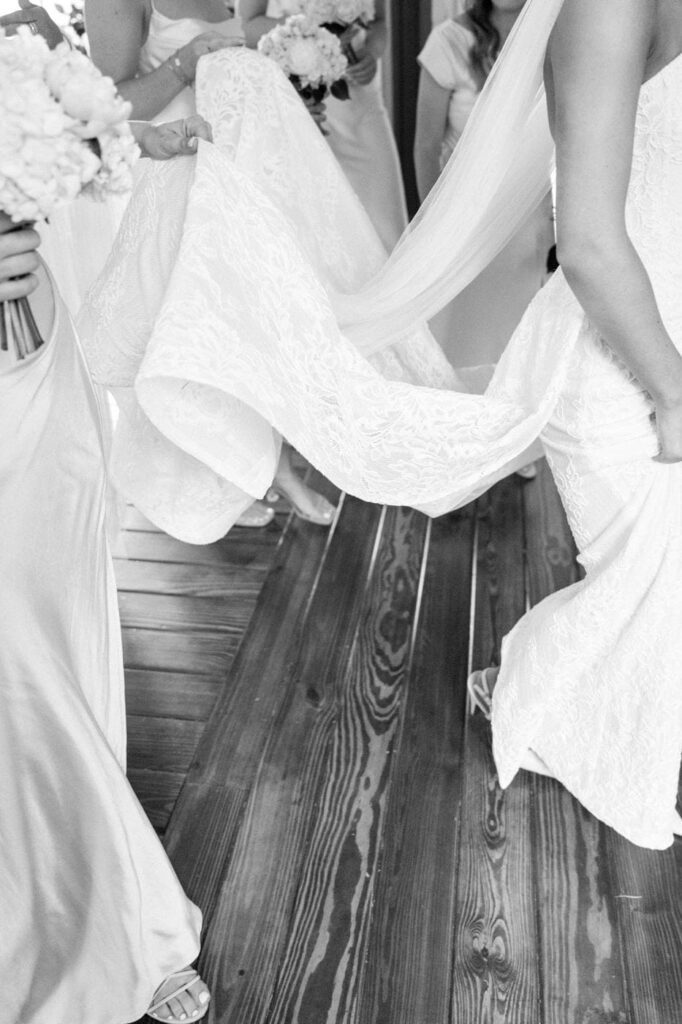
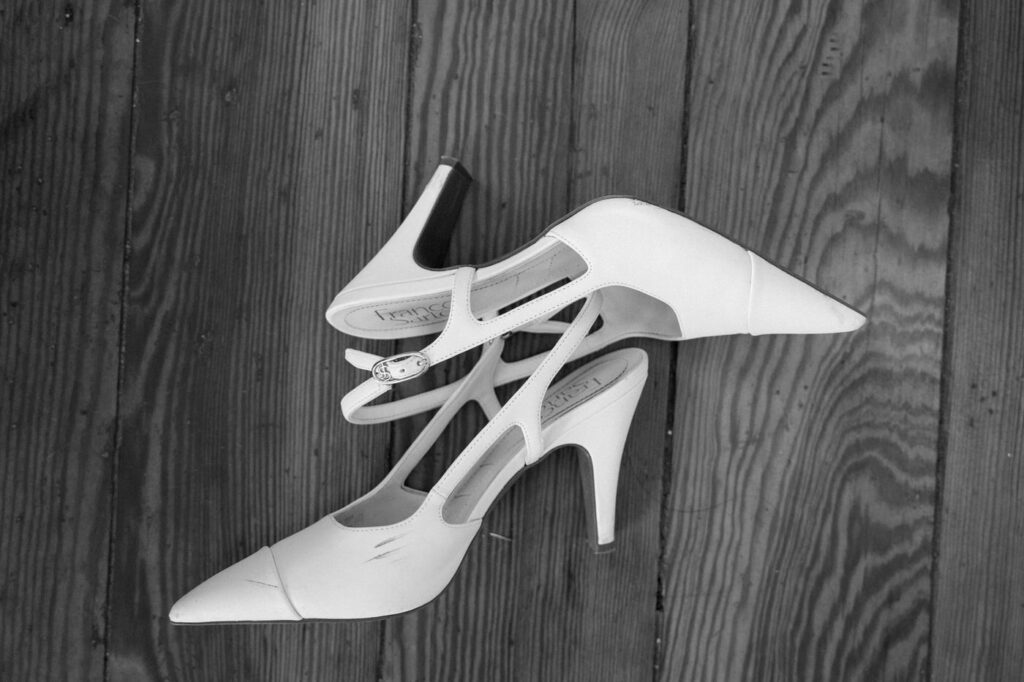
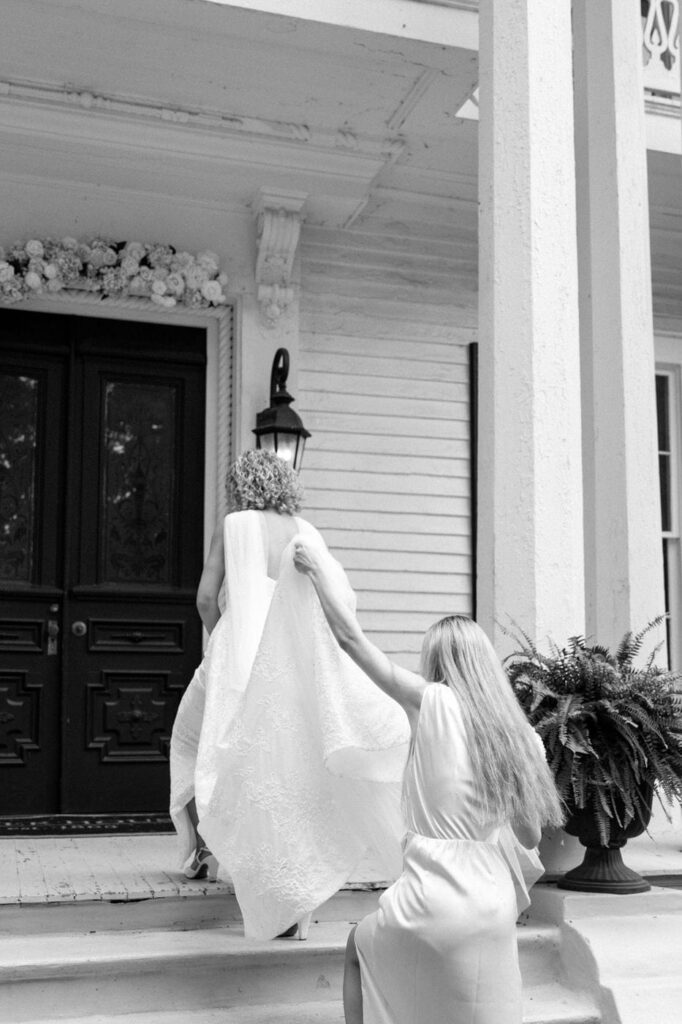
You can usually fit everything from getting ready to your sparkler exit or last dance. The biggest difference between eight and ten hours isnt just more photos. It’s more breathing room in your timeline, which creates more candid, unscripted moments to document.
12 Hours Of Wedding Photography
Twelve hours of coverage is designed for:
- Cultural or multi-day style celebrations
- Separate ceremonies or tea ceremonies
- Very large weddings with complex logistics
- Couples who want truly all-day storytelling
With twelve hours, your photographer can quietly document the full journey. From early morning preparation to late night dance floor chaos, the entire day becomes a cohesive story.
How To Decide How Many Hours You Actually Need
There is no one perfect number that works for every couple. Instead, walk through these questions and let your answers guide you!
1. Which parts of the day matter most to you?
Close your eyes and imagine your wedding day. What moments immediately come to mind?
- Reading a letter quietly before the ceremony
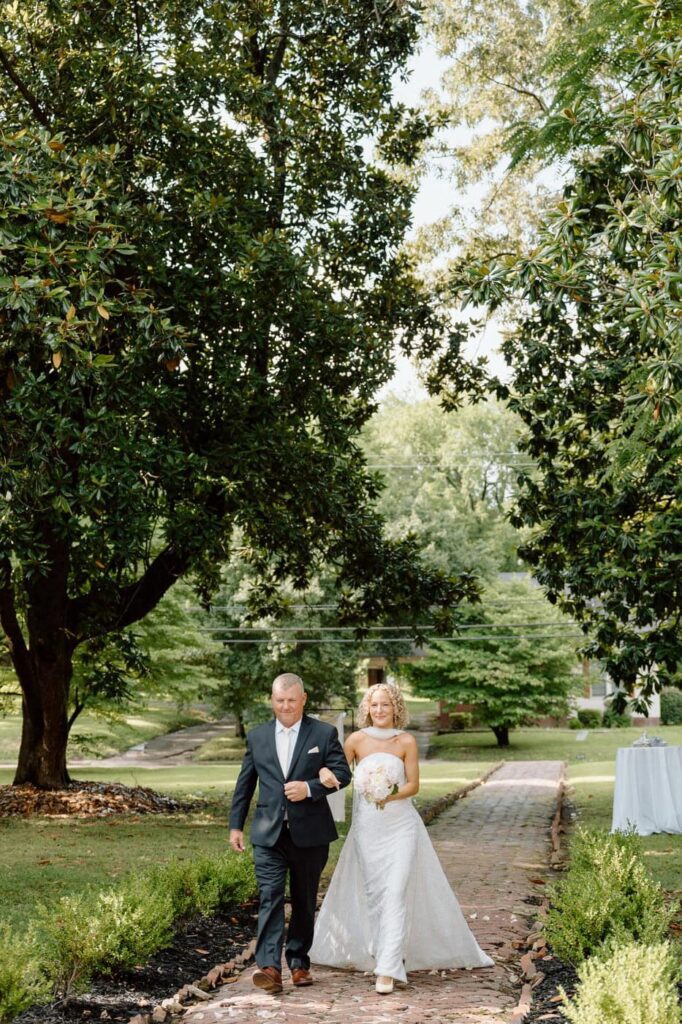
- Walking down the aisle
- Hugging your grandparents after you are married
- Sunset portraits together
- Singing on the dance floor with your friends
If your most important moments begin early in the day and continue into the evening, you will benefit from more coverage. If the ceremony and a few portraits feel like enough, fewer hours may be a better fit.
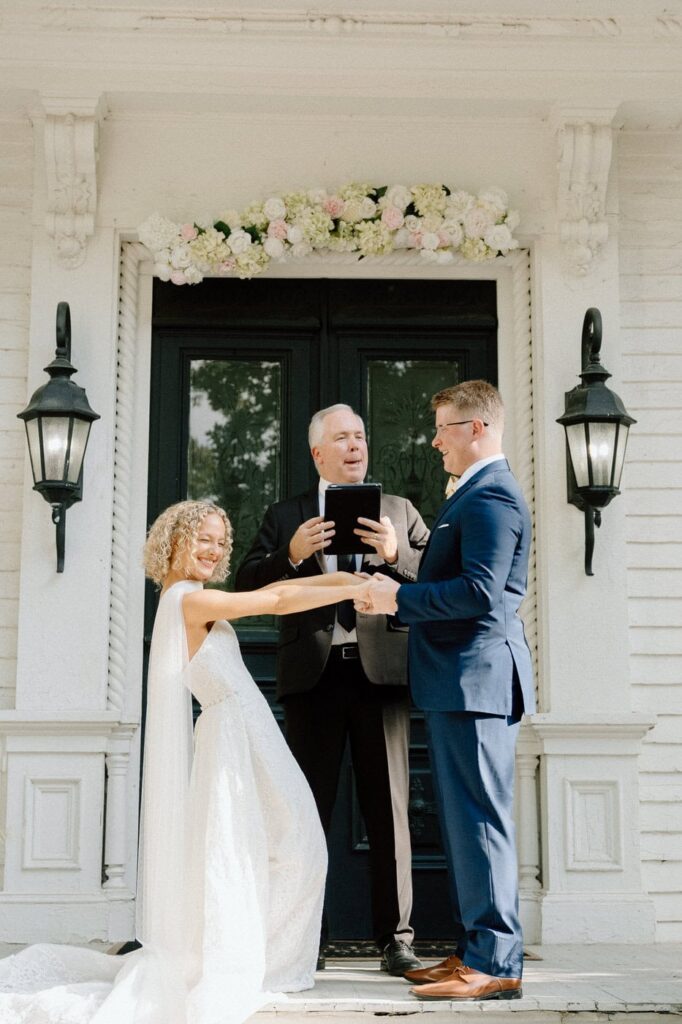
2. How much time do you need to feel grounded and not rushed?
Some couples move quickly and love a packed schedule. Others need margin so they do not feel overwhelmed.
If you are introverted, easily overstimulated, or simply want a calmer experience, choosing a higher number of hours can actually reduce stress. Instead of cramming everything into six hours, eight or ten hours allows:
- Slower transitions between events
- Time for a quiet breather after the ceremony
- Flexibility if something runs late
You’re not paying for extra photos. You’re paying for space to actually be present on your own wedding day.
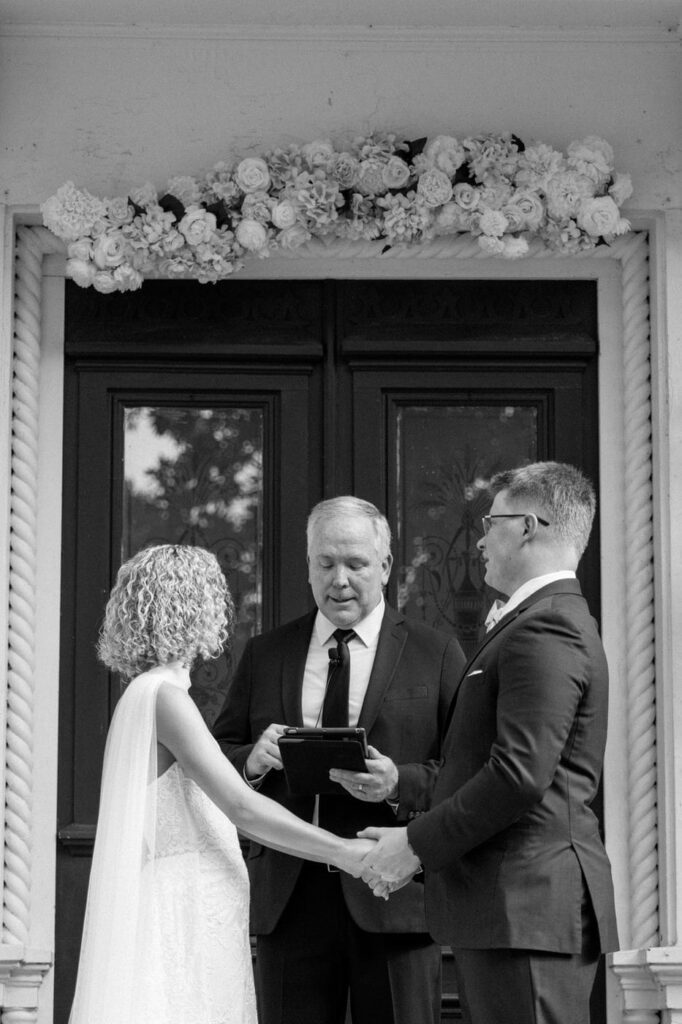
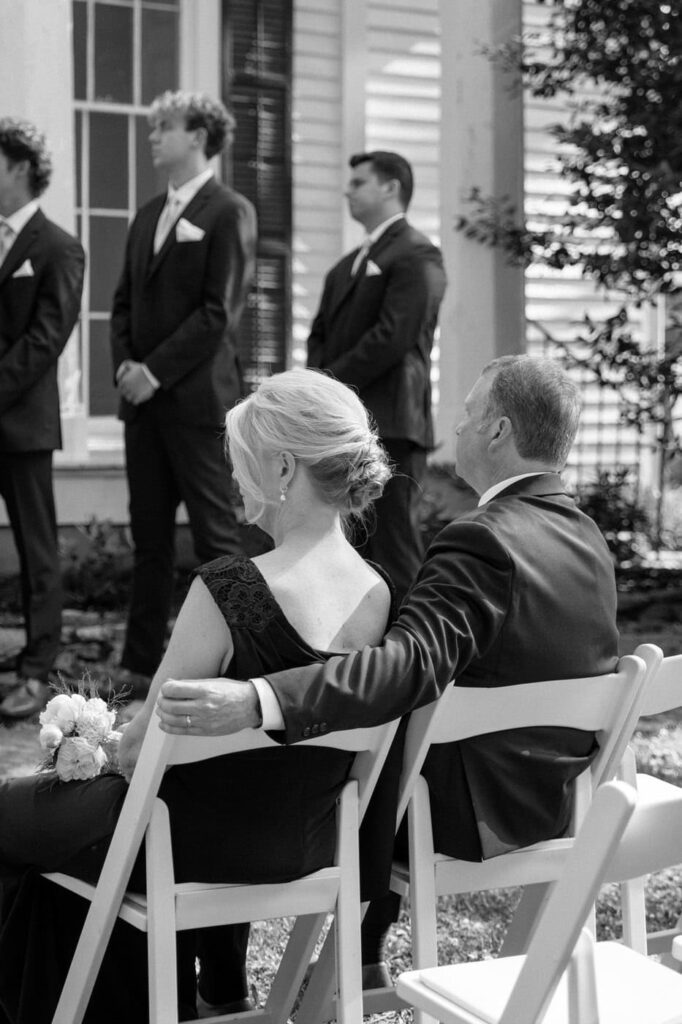
3. How many locations are involved in your day?
Travel takes more time than most couples expect. Even a short drive between locations can eat into your coverage if things run late.
You may want to lean into eight to ten hours if your day includes:
- Getting ready at a hotel or Airbnb
- Ceremony at a church or separate venue
- Reception at a different location
- Off-site portrait locations, like a downtown area or state park
Your photographer is still working while traveling, so those minutes are part of your coverage.
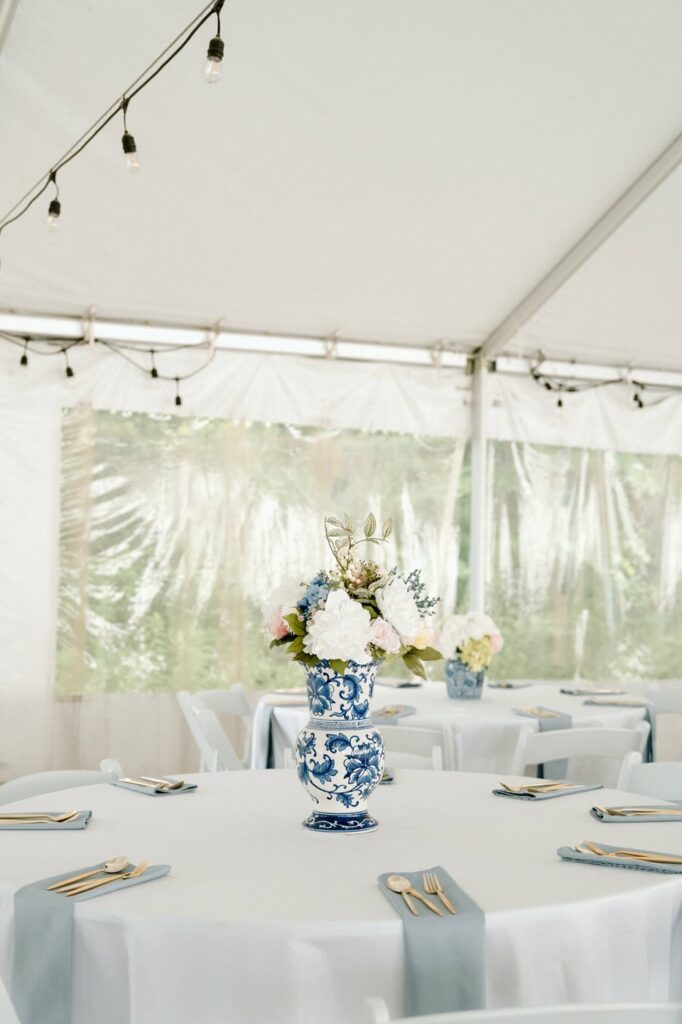
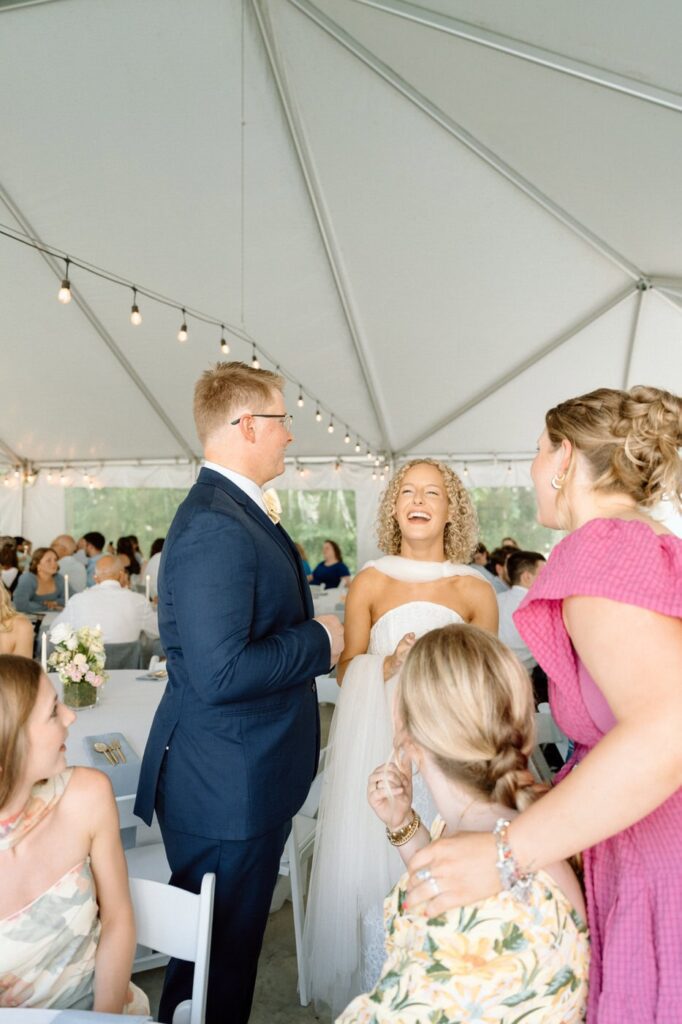
4. Are you including a first look or planning to see each other at the aisle?
Coverage needs shift depending on whether you choose a first look.
- With a first look, you can often schedule wedding party and some family photos before the ceremony, which may help you do more within eight hours.
- Without a first look, many photos will need to happen after the ceremony, which may require extra time.
If you are still deciding, your photographer will walk you through both scenarios and build a draft timeline that fits your priorities!
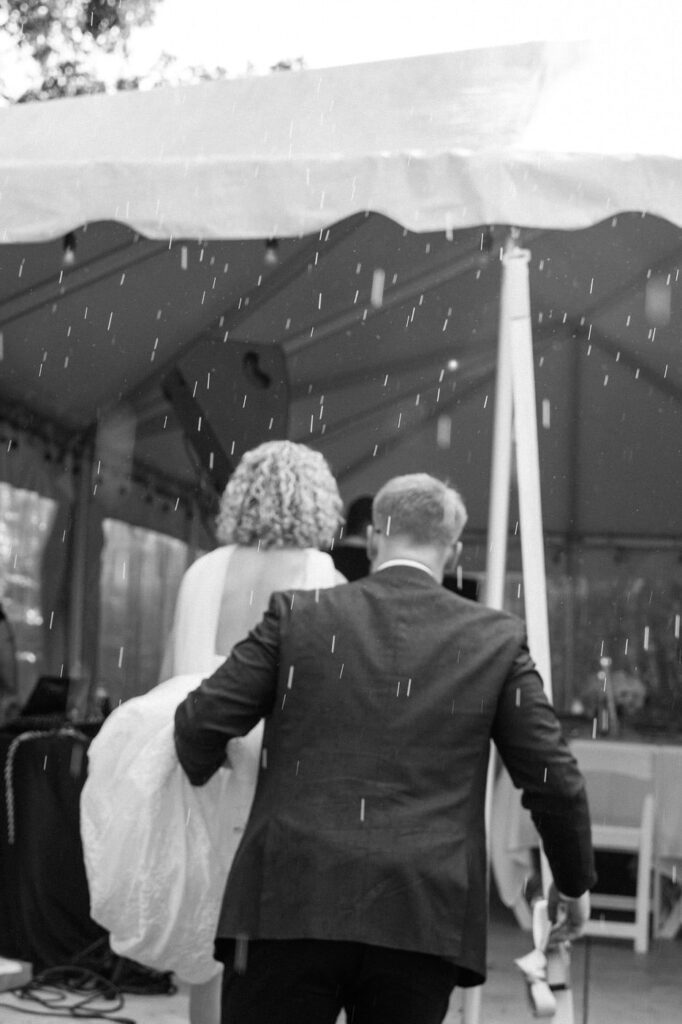
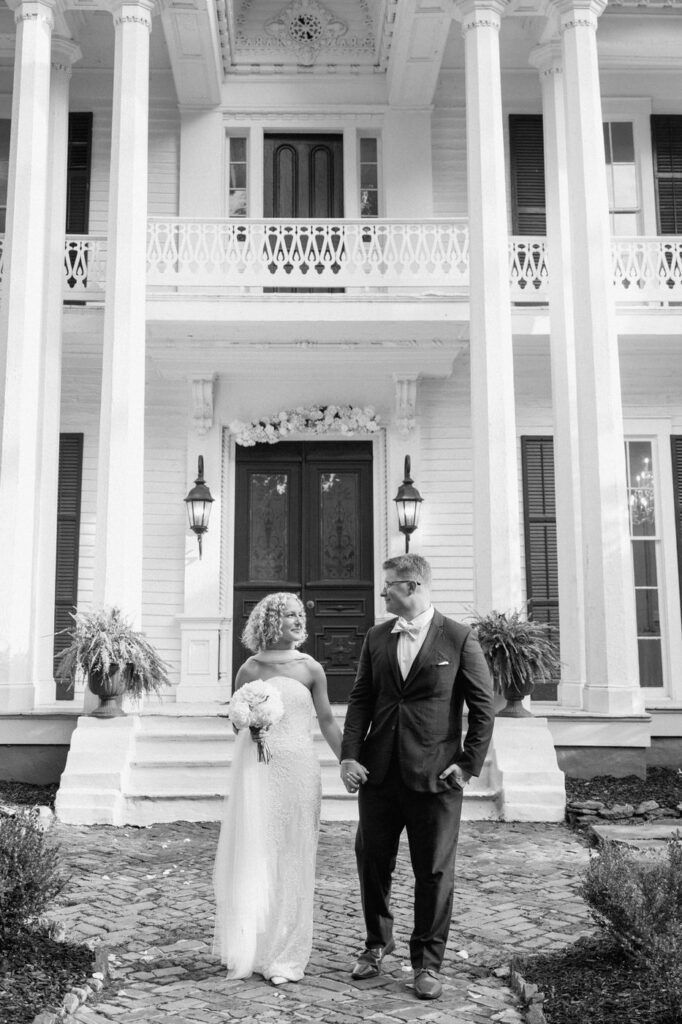
5. How important is candid storytelling to you?
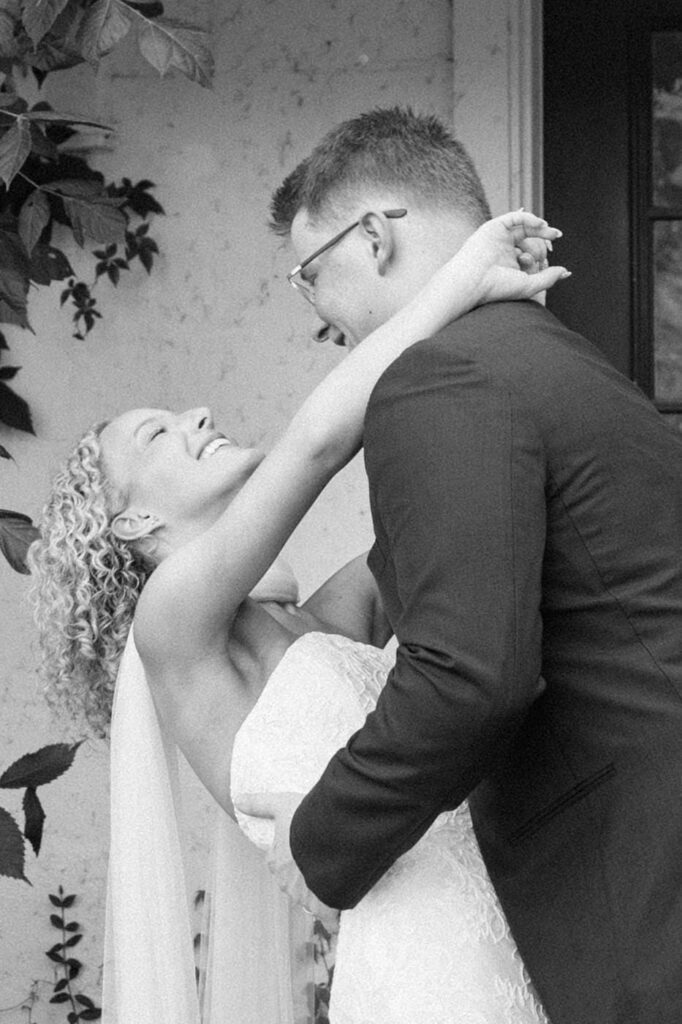
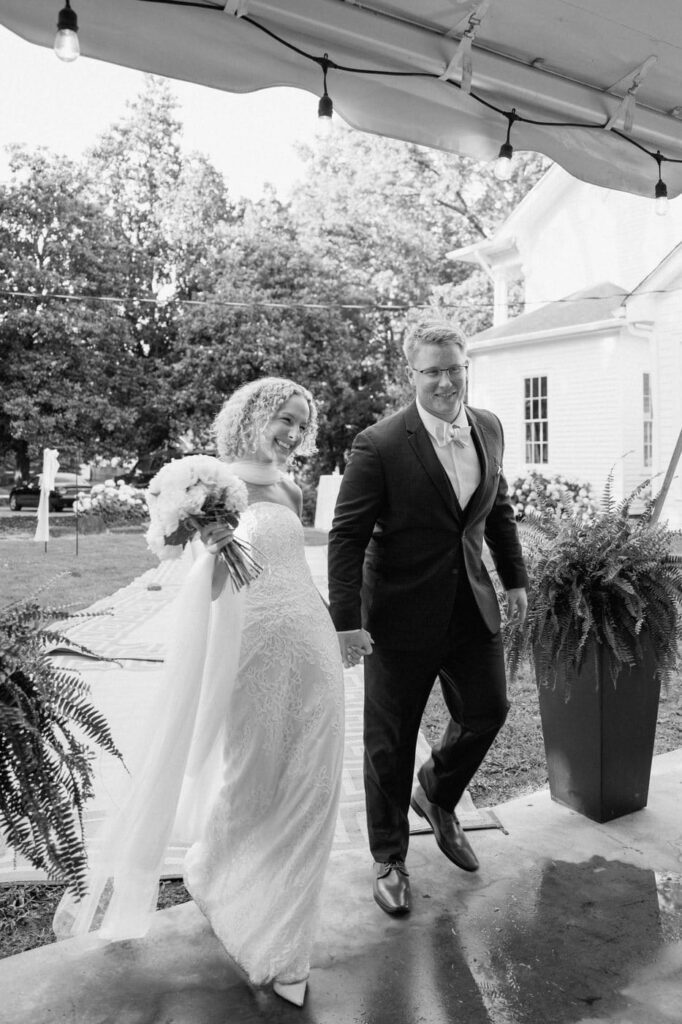
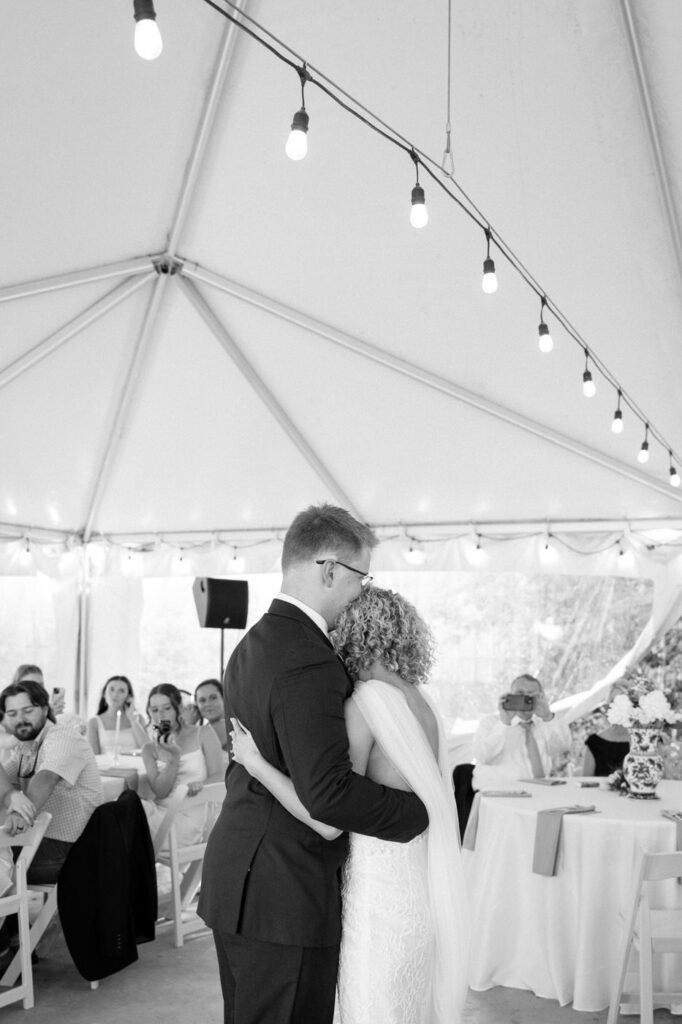
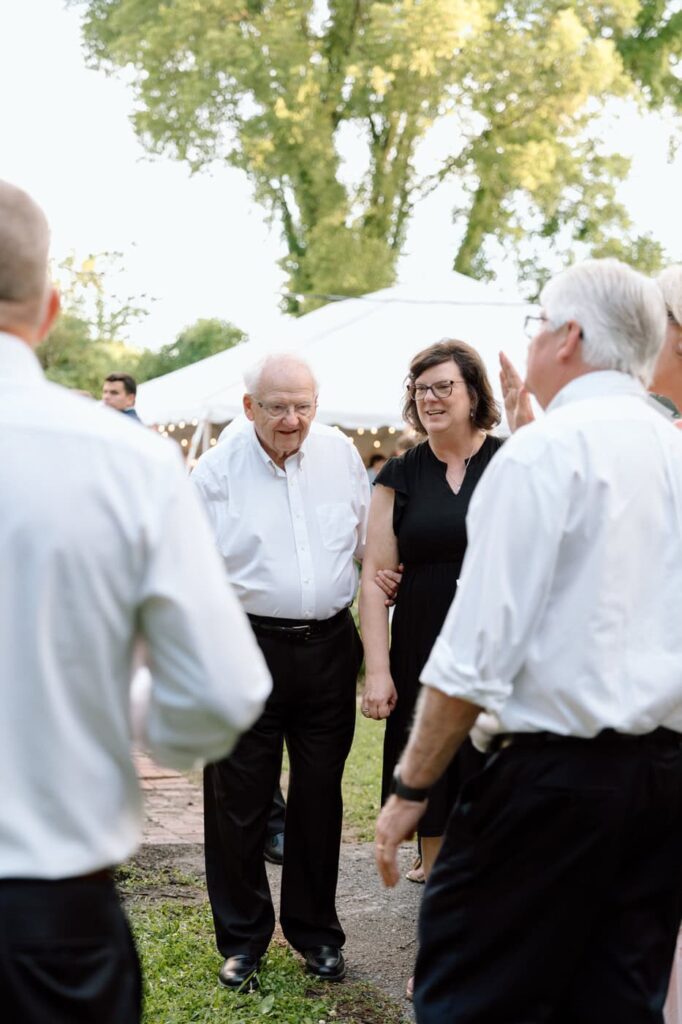
Documentary and candid focused photography thrives when there is space for the day to unfold naturally. The less rushed your schedule, the more room there is for:
- In between moments
- Quiet emotional expressions
- Unexpected interactions with friends and family
If you are drawn to images that feel real and unposed, consider choosing enough hours that your photographer can simply exist with you rather than sprinting from shot list to shot list.
Sample Wedding Photography Coverage Scenarios
Here are a few simple examples to help you see how different hour counts can play out in real life!
6 Hour Coverage Example
- 2:00 Photographer arrives, details and final getting ready moments
- 3:00 Ceremony
- 3:30 Family photos
- 4:00 Wedding party photos
- 4:30 Couple portraits
- 5:30 Reception details and entrances
- 7:30 Coverage ends after toasts or first dances
Best for: small weddings with a shorter reception or couples who do not need full evening coverage.
8 Hour Coverage Example
- 1:00 Photographer arrives, details and getting ready
- 3:00 First look and couple portraits
- 3:30 Wedding party photos
- 4:30 Ceremony
- 5:00 Family photos
- 5:30 Cocktail hour candids
- 6:30 Reception entrances and formalities
- 9:00 Coverage ends after dancing
Best for: most traditional weddings with one or two locations and a standard reception.
10 Hour Coverage Example
- 12:00 Photographer arrives, details and getting ready
- 2:00 First look and portraits
- 3:00 Wedding party photos
- 4:30 Ceremony
- 5:00 Family photos
- 5:30 Cocktail hour and candids
- 6:30 Reception entrances
- 9:30 Dancing and late night fun
- 10:00 Coverage ends with a last dance or exit
Best for: couples who want breathing room, sunset portraits, and more reception storytelling.
12 Hour Coverage Example
This example includes getting ready at a hotel, ceremony at a church, and reception at a separate venue.
- 9:00 Photographer arrives at hotel, details and getting ready for both partners
- 11:30 First look at hotel before departing
- 12:00 Travel to church
- 12:30 Wedding party photos at church
- 1:30 Guests arrive, pre-ceremony candids
- 2:00 Ceremony
- 2:45 Family photos at church
- 3:30 Travel to reception venue
- 4:00 Couple portraits at reception venue during cocktail hour
- 5:00 Cocktail hour candids
- 6:00 Reception entrances and formalities
- 7:30 Sunset portraits
- 8:30 Dancing and late night coverage
- 9:00 Coverage ends with grand exit
Best for: multi-location days, large weddings with complex logistics, cultural celebrations, or couples who simply want the whole day documented without feeling like anything got cut short.
Common Timeline Mistakes That Affect Your Coverage
Underestimating how long family photos take.This is probably the most universal one. Couples budget 20 minutes for family formals and then spend 45 minutes tracking down Uncle Dave. A realistic rule of thumb is about 3-4 minutes per grouping. If you have a long list, build that time in on purpose or it quietly eats your couple portraits alive (we don’t want that).
Not accounting for travel time. If you’re getting ready at a hotel, getting married at a church, and having your reception somewhere else entirely, that’s two separate drives eating into your coverage. Your photographer is still on the clock during travel, so those 20-minute gaps add up faster than you’d think.
Building a timeline around ceremony time only. If you’re getting ready at a hotel, getting married at a church, and celebrating at a completely different venue, those drives are part of your day whether you plan for them or not. Your photographer is still on the clock in the car. Those 20-minute gaps add up.
Forgetting about sunset. If golden hour portraits matter to you, your timeline needs to be built around when the sun actually sets — not just around what’s convenient. Sunset in December and sunset in July are not the same thing, and a 5pm ceremony hits very differently depending on the time of year.
Skipping buffer time. Hair and makeup almost always runs a little over. Guests take longer to seat than expected. The ceremony starts 15 minutes late. None of that is a disaster if you built in some margin. It absolutely is a disaster if every single part of your day is scheduled back to back with zero wiggle room.
When You Might Want To Add More Coverage
You may want to add extra hours if:
- You are planning a traditional church ceremony and separate reception
- You are incorporating cultural events, like a tea ceremony or baraat
- You want coverage of an after party in a different location
- You value slow, thoughtful pacing rather than a packed schedule
In these cases, consider adding an hour or two or looking at a ten to twelve hour option so you don’t feel like you’re rushing through the experiences you care about most.
How To Talk About Hours With Your Photographer
You don’t have to figure this out alone! Your wedding photographer should:
- Ask about your priorities and pain points
- Help you decide which moments really need coverage
- Create a draft timeline that aligns with light, logistics, and your energy
You can even bring a few questions to your discovery call, such as:
- “What can realistically fit into six, eight, or ten hours for our plan?”
- “Where do couples usually feel rushed, and how can we avoid that?”
- “If we choose fewer hours, what would you recommend we prioritize?”
My Approach To Wedding Photography Coverage
Coverage isn’t about how many photos you walk away with. It’s about making sure you’re not watching the clock while you’re supposed to be getting married.
When I help couples figure out how many hours they need, I’m thinking about your timeline realistically, not optimistically. Optimistic timelines are how you end up sprinting between family photos and portraits while someone’s grandmother is still trying to find her seat. I’d rather build in breathing room and have you actually present for your own wedding than have a packed schedule that looks great on paper and feels chaotic in person.
If you want to talk through your specific day and figure out what coverage actually makes sense, reach out here and we can go from there.
FAQ: Wedding Photography Coverage
How many hours do most couples book?
Eight hours is the most common and usually the most practical. It gives you enough room for getting ready through the main reception moments without feeling like someone is hovering over you all day.
Is six hours of wedding photography enough?
Six hours can be enough for a smaller wedding, a simple timeline, or a single location. It works well if you don’t need extensive getting ready photos or late night reception coverage. If you’re planning travel between locations or want a first look and sunset portraits, you may feel more comfortable with eight hours.
Do I really need ten or more hours of coverage?
You might want ten or more hours if you are planning a longer day, multiple locations, or cultural events that unfold over many hours. Extended coverage is less about getting more posed photos and more about having space to move slowly and let the story unfold naturally.
Does a first look change how many hours I need?
Yes, a first look usually allows you to complete more portraits before the ceremony, which can make an eight hour day feel more spacious. Without a first look, many portraits will happen after the ceremony, so you may want to add an extra hour to keep things relaxed.
Do I need a second photographer?
If you’re booking 8 or 10 hours with me, a second photographer is already included — so that’s one less thing to think about. A second shooter means both of you can have your getting ready moments covered simultaneously, and during the ceremony and reception there’s someone capturing angles and moments I can’t be in two places for at once. It makes a real difference, especially on bigger or more complex days.
How do I figure out the right number of hours for my specific wedding?
The best way is to walk through your tentative timeline with your photographer. Share your ceremony time, locations, and priorities. From there, your photographer can recommend coverage that supports your energy, honors your must have moments, and keeps everything realistic.
If you’re still unsure how many hours of wedding photography you really need, I would love to help you walk through your plans and build a timeline that feels calm and intentional. You can explore my Tennessee wedding photography services and then reach out through my contact form so we can talk through what coverage will support your actual experience, not just your shot list.
Related resources:
First Look vs No First Look — this one decision can shift how many hours you actually need.
Wedding Day Tips: How to Actually Enjoy Your Wedding — how to build a timeline that has breathing room built in.
Best Nashville Wedding Venues — some venues need more travel time between spaces than others, which matters a lot for coverage.


My couples usually tell me the same thing: having me at their wedding felt easy. Like they could actually be present and soak everything in, knowing someone was paying attention without needing anything from them.
That's the whole point.
You're not hiring me to direct you through a shot list or make you perform for the camera. You're hiring me to document your day as it unfolds. The way your mom looked at you during your vows. The toast that made everyone lose it. The moment you two finally exhaled and realized you were married.
If you're planning something outdoorsy, intimate, or a little adventurous, if you value natural moments, and want a photographer who feels more like a friend than a stranger with a camera, then you're in the right place.
You get to laugh, cry, and actually experience what's happening on your wedding day. I make sure nothing slips by. Your photos feel real because the energy behind them was real. No forcing, no performing. Just you, living your day.
— a photographer inspired by landscapes, people, and their stories
MEET YOUR destination & tennessee wedding photographer
LET'S CREATE SOMETHING MEANINGFUL
Tell me about your day - where it's happening, what you're envisioning, what matters most to you. I'll get back to you with availability, pricing, and we can figure out if we're a good fit.
I only take on a limited number of weddings each year, so if your date is coming up, don't wait to reach out.